Vance says Iran offering terms 'radically different' from Obama-era nuclear deal
Vice President JD Vance said in a June 25 interview that Iran has offered terms "radically different" from the 2015 nuclear agreement negotiated under President Barack Obama, including stricter nuclear inspections and eliminating its stockpile of enriched uranium.

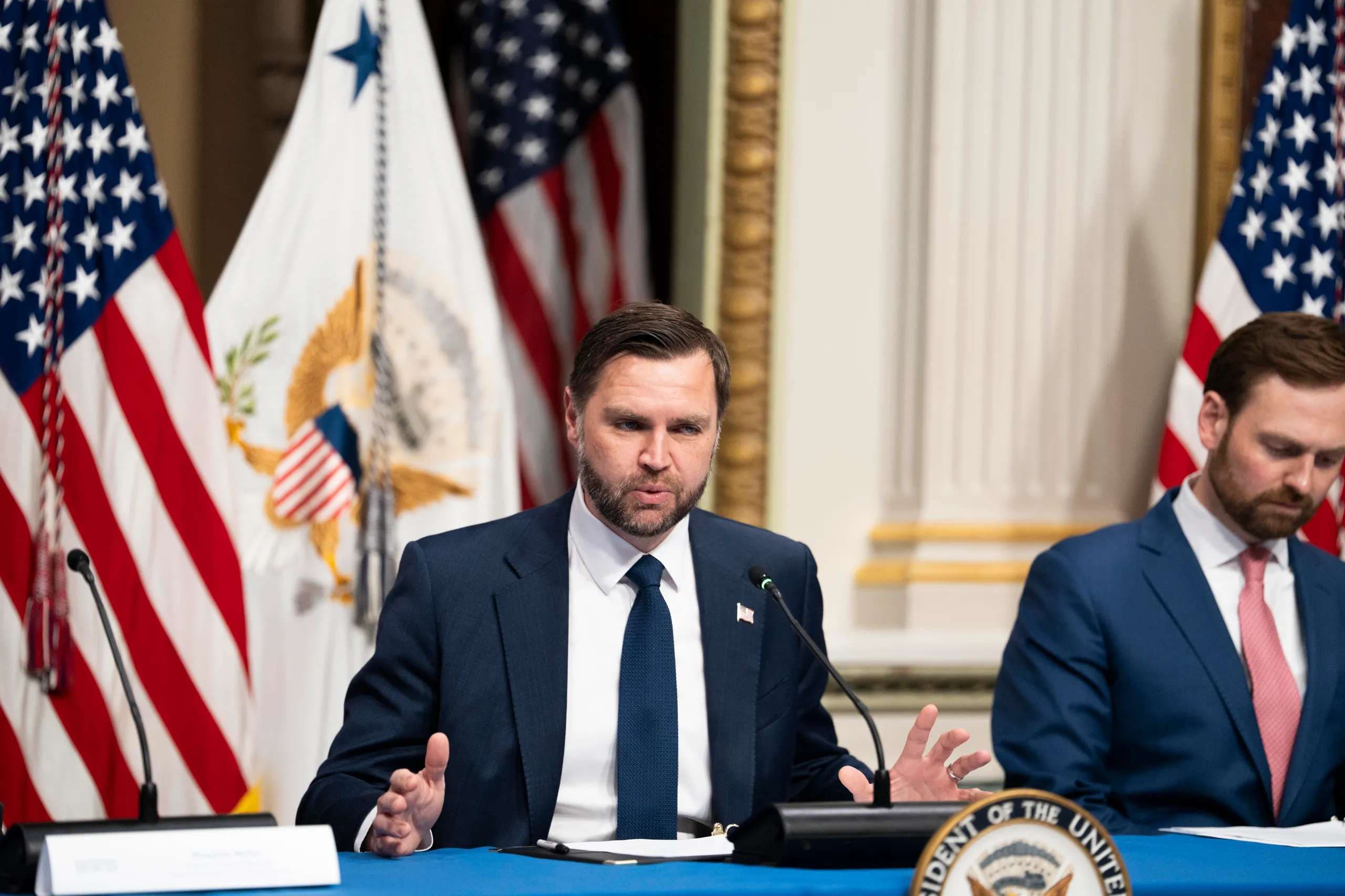
Vice President JD Vance said in a June 25 interview that Iran has offered terms "radically different" from the 2015 nuclear agreement negotiated under President Barack Obama, including stricter nuclear inspections and eliminating its stockpile of enriched uranium.
Speaking to UnHerd after returning from negotiations in Switzerland, Vance said one result of the Lake Lucerne peace summit was an agreement in principle to establish a military communication channel between the U.S. and Iran.
Vance said the arrangement would connect representatives of Iran's Islamic Revolutionary Guard Corps and U.S. Central Command in Doha, Qatar, to avert potential renewed military conflicts by talking over tensions ahead of time.
"They were like, 'OK, fine, we'll send somebody from the IRGC to go hang out in Doha with somebody from CENTCOM,'" Vance said. "And that's how we're going to settle a lot of these disputes."
He also distinguished the new U.S.-Iran memorandum of understanding (MOU) from the 2015 Joint Comprehensive Plan of Action.
"It really is a foundational document,” he said of the MOU: “let's open the Strait, let's stop shooting at each other, and let's see if we can make a nuclear deal.”
The Vice President said Iran is offering a more rigorous inspections regime and the elimination of its existing enriched uranium stockpile in exchange for what Vance called a "fundamentally transformed relationship with the United States and the world."
The talks drew attention after Iran's chief negotiators, Parliament Speaker Mohammad Bagher Ghalibaf and Foreign Minister Abbas Araghchi, did not participate in an expected public handshake with Vance before a June 21 meeting, though the two sides held direct U.S.-Iranian talks earlier that day, according to the interview.
Vance cautioned that the success of the negotiations will depend on whether Iran follows through on its commitments.
"Whether the rhetorical flexibility is going to be met with action — that's the big question hanging over all of this," he said.
Iran’s leaders are “certainly talking differently than they have in the past," he later added. "But whether the action will follow, whether the final deal actually meets some of what they're promising in general terms — that's what we have to figure out."
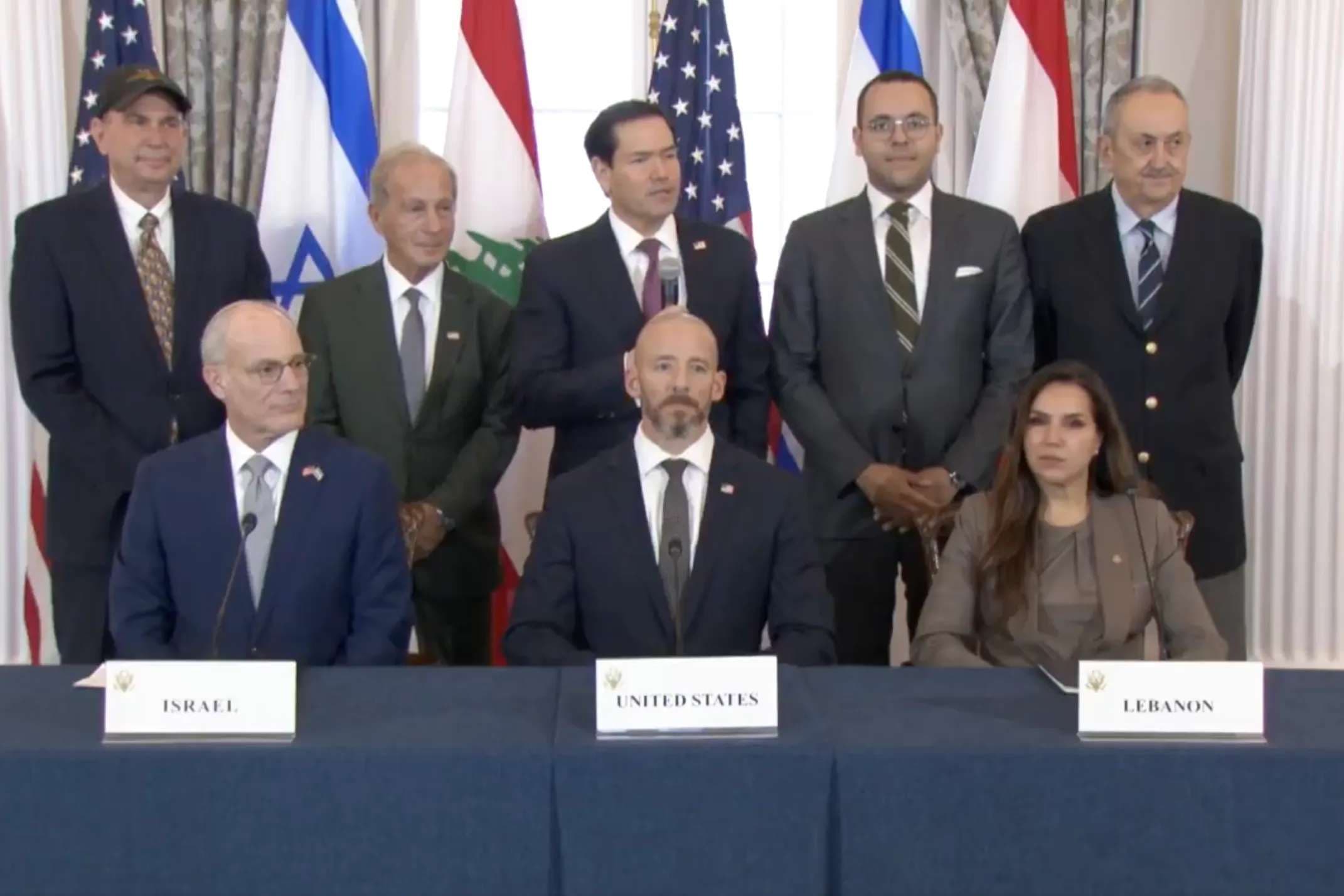
Vance also said negotiations had produced progress on Lebanon, pointing to a ceasefire that he said had held for about 48 hours.
"I look at the side-by-side of where we were four or five days ago compared to three weeks ago, and it's like — yeah, it's annoying, we're going to keep working on it, but it's a lot better than it was a few weeks ago," Vance said.
He reiterated that the administration supports Israel's right to defend itself, but he also indicated he remains committed to ending the cycle of conflict in Lebanon.
"Israel, and every other nation in the region, has the right of self-defense," Vance said at a summit news conference. "But we want to make sure everyone has that right of self-defense in [a] background where we're talking about how to de-escalate."
Israeli Prime Minister Benjamin Netanyahu has continued to criticize aspects of the emerging U.S.-Iran framework, particularly provisions affecting Lebanon.
Vance and President Donald Trump have repeatedly criticized Netanyahu for continued strikes in Lebanon, which Trump has decried for resulting in many civilian deaths as well as for jeopardizing U.S. peace talks with Iran.