Feminist Ecuadorian diplomat enters UN secretary-general race
María Fernanda Espinosa Garcés, an Ecuadorian diplomat and champion of expansive gender policies and abortion access, has entered the race to replace António Guterres as United Nations (UN) secretary-general, positioning herself as a frontrunner among a field of female candidates from the global left.

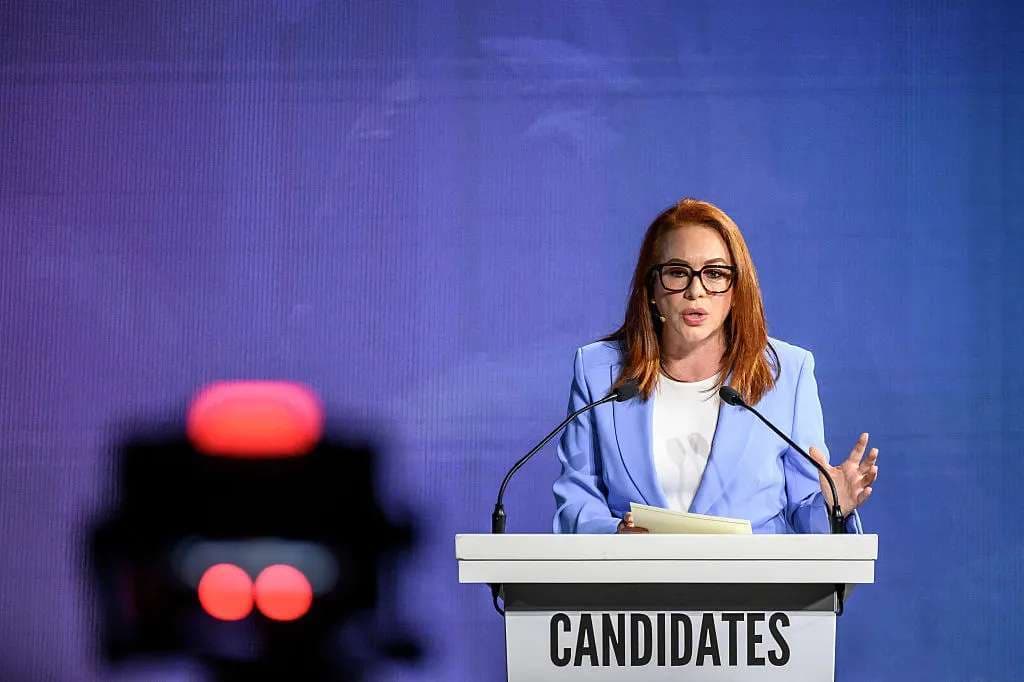
María Fernanda Espinosa Garcés, an Ecuadorian diplomat and champion of expansive gender policies and abortion access, has entered the race to replace António Guterres as United Nations (UN) secretary-general, positioning herself as a frontrunner among a field of female candidates from the global left.
Espinosa, 61, was formally nominated on May 11. She served as president of the UN General Assembly from 2018 to 2019 — the first Latin American woman in the role — and held senior posts in Ecuador's government, including two stints as foreign minister and minister of national defense under leftist President Rafael Correa.
A longtime advocate for gender ideology, Espinosa has used her platforms to push UN initiatives on “reproductive rights,” including greater access to abortion, comprehensive sexual education, and the mainstreaming of fluid gender concepts across international policy.
During her time as Ecuador’s defense minister, she implemented gender equality policies in the armed forces. As General Assembly president, she prioritized gender parity and aligned closely with progressive agendas on climate, indigenous rights, and global governance reform.
Her background in the Correa government faced accusations of authoritarian tendencies and economic mismanagement.
She currently leads GWL Voices, a group focused on “gender-equal multilateralism,” the push to fundamentally reform international institutions so that women have equal representation and influence at all levels of global decision-making. Conservatives have criticized her record as emblematic of efforts to use the UN to pressure sovereign nations — including those in the developing world — to adopt Western progressive social policies on abortion, gender, and family structures.
In her vision statement and recent interactive dialogue with member states, Espinosa called for a more “relevant” and streamlined UN. Espinosa’s candidacy comes as several other contenders, including other women from the global left, vie to become the first female secretary-general of the UN.
The Security Council is expected to hold a straw poll on the candidates in late July. The council's 15 members will cast secret ballots indicating whether they encourage, discourage, or express no opinion on each candidate. The five permanent members — China, France, Russia, the UK, and the U.S. — carry the most weight, as a discouraging vote from any of them is expected to prompt a candidate's withdrawal.
Once a candidate secures sufficient support, the council is expected to forward that name to the General Assembly, which selects the secretary-general by majority vote. The process is expected to conclude by October.