New York’s French Bishop
New York’s French Bishop
NOTE: Enjoy this excerpt from The American Daily Reader, by CatholicVote president Brian Burch and Emily Stimpson Chapman. To order the complete volume, visit the CatholicVote store today!
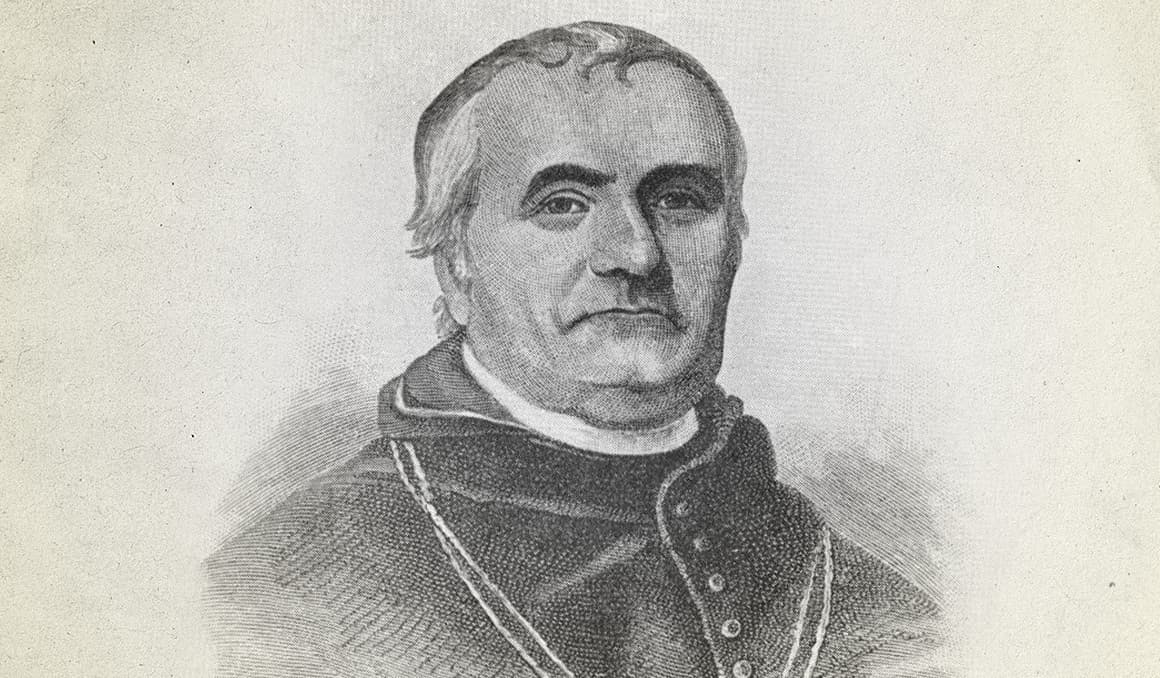
Father John Dubois needed to leave France. Radical revolutionaries, including his former classmate Maximilien de Robespierre, were out for Catholic blood, and the 26-year-old Dubois risked death if he stayed. Fortunately, Dubois had powerful friends who smuggled him onto a ship bound for America.
When Dubois arrived in Norfolk in 1791, he brought with him a letter of recommendation from the Marquis de Lafayette. That won him the immediate friendship of Virginia’s governor, Beverley Randolph, who allowed Dubois to celebrate Mass in the State House, and Patrick Henry, who taught him English. A year later, Bishop John Carroll sent Dubois to Frederick, Maryland. His new mission territory reached from Frederick to St. Louis, Missouri.
During those early years, Dubois’ energy was legendary. One story tells of his hearing confessions until 9 p.m., riding 50 miles and swimming the Monocacy River twice to administer Last Rites, and still arriving back at his parish in time for 9 a.m. Mass.
By 1807, however, Dubois’ missionary days were over. That year, he bought land in Emmitsburg, Maryland, and opened Mount St. Mary’s College. Dubois believed he would spend the rest of his life at the Mount. Rome thought differently.
On October 29, 1826, Dubois became the third bishop of New York. Unfortunately, his mostly Irish flock -didn’t want a French bishop, and parish trustees thwarted him at every turn, refusing to pay priests he recruited and firing teachers he hired. When they refused to pay him, Dubois replied, “I am an old man, and do not need much. I can live in a basement or in a garret. But whether I come up from the basement or down from the garret, I shall still be your bishop.”
Dubois’ troubles continued through the 1830s when Nativists burned his seminary and threatened his cathedral. Finally, before his death in 1842, he asked to be buried under the sidewalk at the entrance to Old St. Patrick’s Cathedral, in New York, so that “people could walk on me in death, as they did while I was living.”
His flock complied.