Winnie-the-Pooh: The greatest philosopher of our age
Winnie-the-Pooh is the greatest philosopher of our age. Meeting trouble with equanimity is easier for me now because of the depth and wisdom of his philosophical teachings; here are four of the wisest bits of wisdom from Pooh.
According to the Merriam-Webster Dictionary, a philosopher is “a person who seeks wisdom or enlightenment”; “a person whose philosophical perspective makes meeting trouble with equanimity easier.” There are all different kinds of philosophers, many with great long books and interesting theories. Their words trickle down through society and have the power to change the world. Think of the impact Plato and Aristotle have had on society, or Nietzsche and Descartes. Their minds are complex, and their wisdom can at times be confusing.
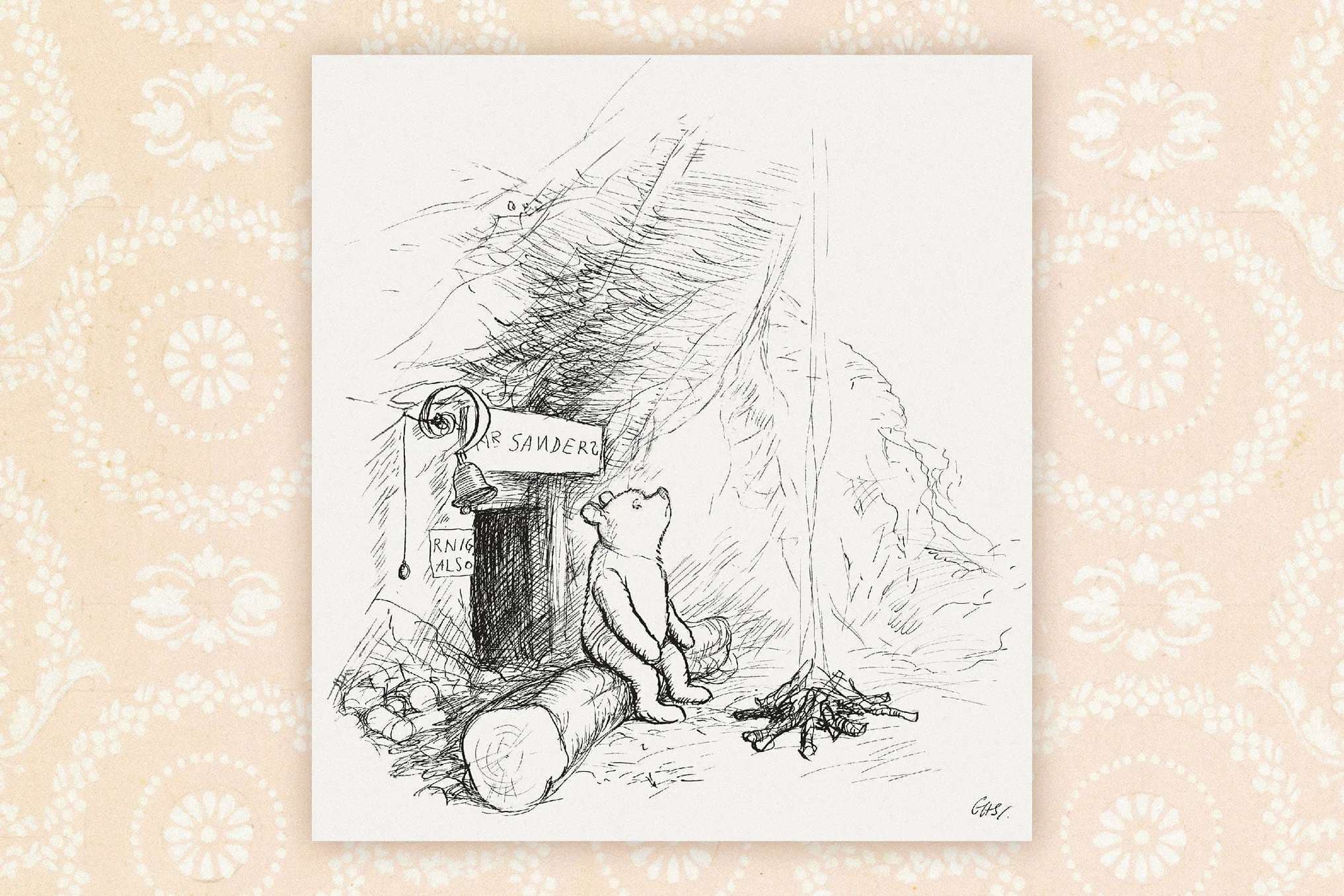
My favorite philosopher, however, is known for having “very little brain.” Yet, he has been instructing me since my earliest years. His credential post-nomials include, F.O.P. (friend of Piglet’s), R.C. (Rabbit’s Companion), P.D. (Pole Discoverer), E.C. and T.F. (Eyore’s Comforter and Tail Finder). His name? Winnie-the-Pooh, and he is the greatest philosopher of our age. Meeting trouble with equanimity is easier for me now because of the depth and wisdom of his philosophical teachings; here are four of the wisest bits of wisdom from Pooh.
1. Do something helpful
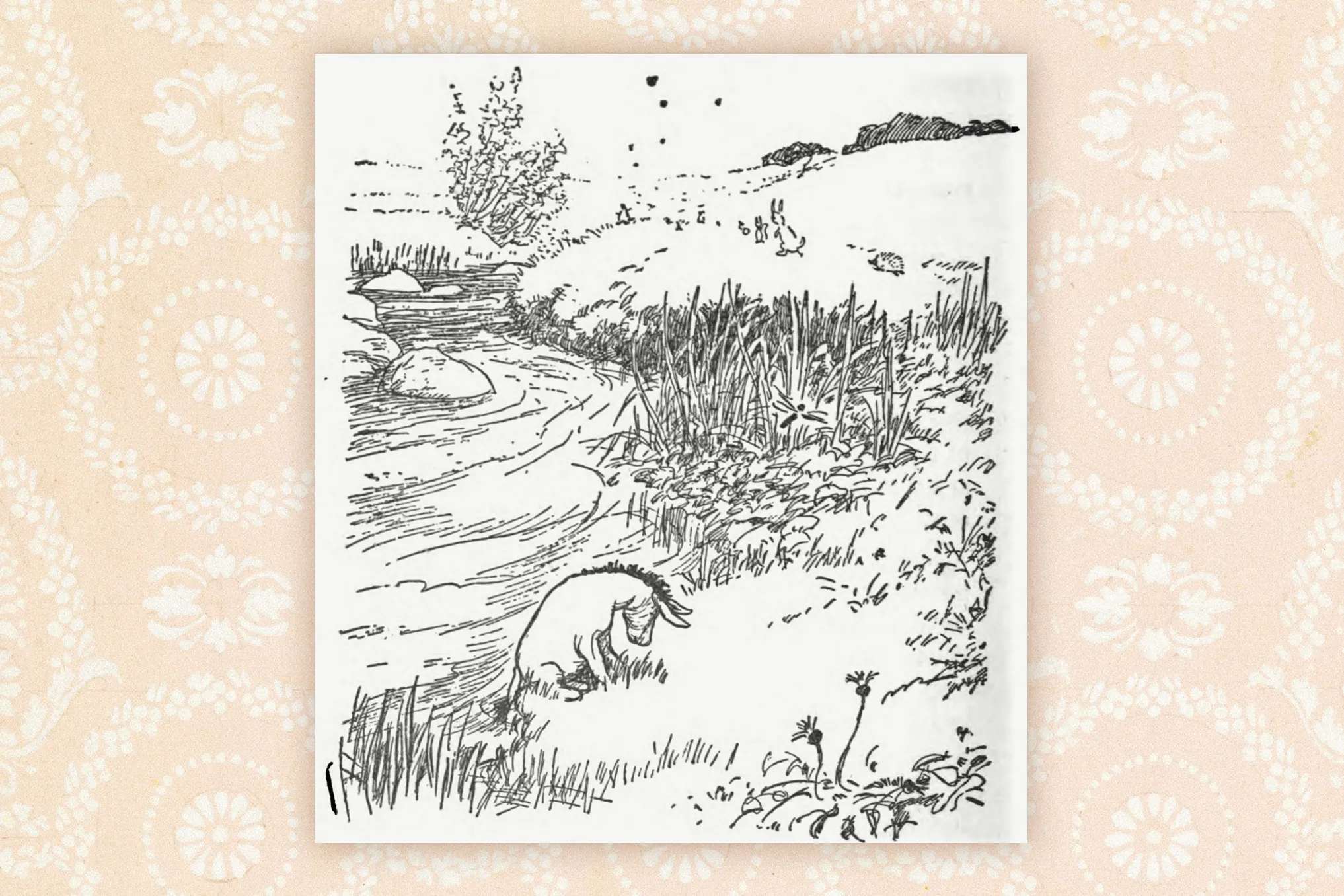
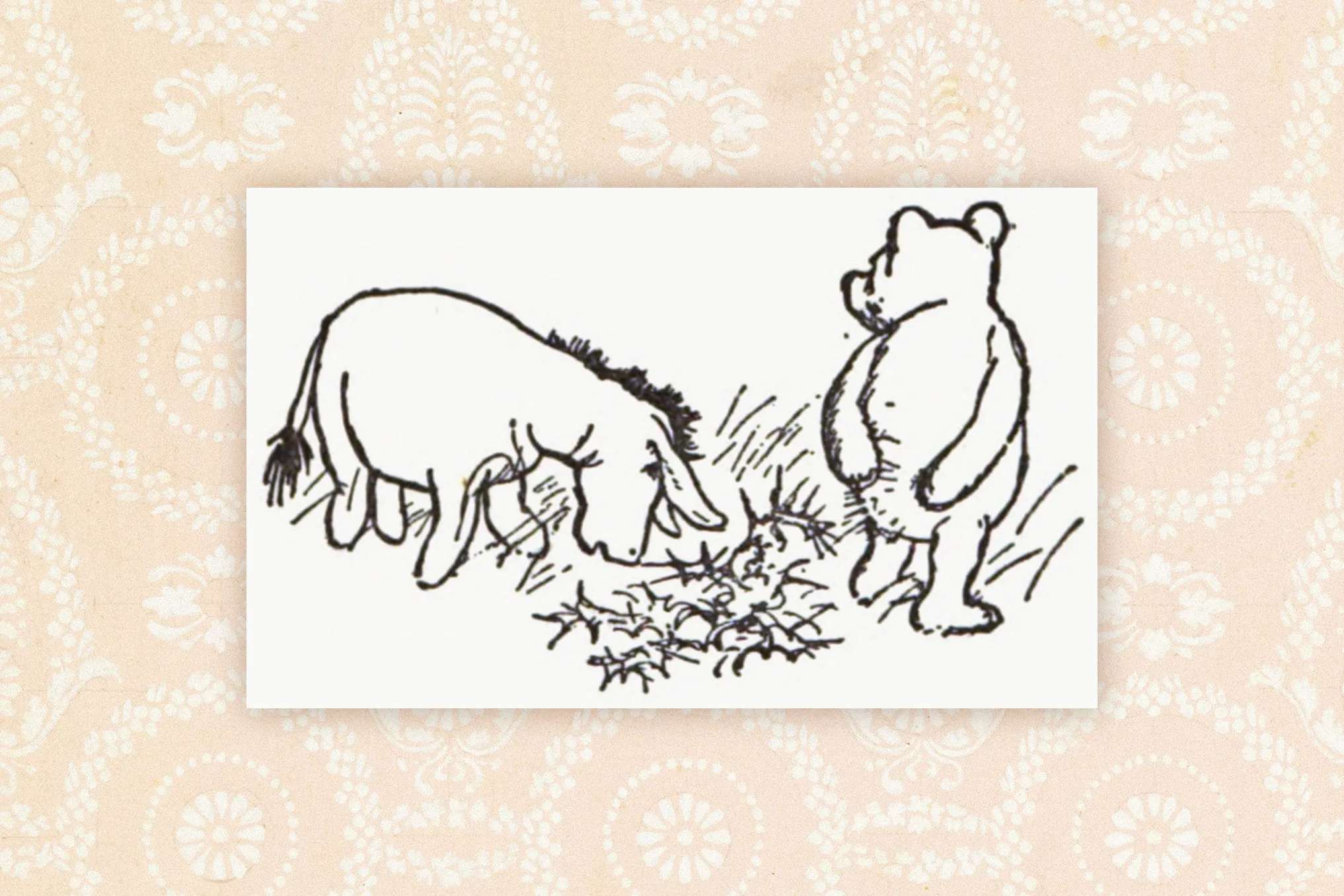
One day, in the Hundred-Acre Wood, Eeyore loses his tail, and is quite distraught. “‘Somebody must have taken it,’ said Eeyore. ‘How Like Them.’” Pooh is obviously distressed for his friend but, like so many of us, is not immediately sure how to respond: “Pooh felt that he ought to say something helpful about it, but didn’t quite know what. So he decided to do something helpful instead. ‘Eeyore,’ he said solemnly, ‘I, Winnie-the-Pooh, will find your tail for you.’”
Sometimes when our friends or family members are upset, we don’t know how to respond. Words seem cheap, and it is easy to feel frozen in indecision and inaction. Pooh never remains stuck in indecision for long (though he did once get stuck in Rabbit’s door) before he takes action, doing the next right thing to help his friends. His attempts to help are not always the cleverest, or the most well-thought out, but he does his best, and that is what matters.
2. Celebrate victories
Oftentimes, we rush through life, going on one adventure after the next without taking time to smell the flowers. Pooh teaches us to take life one day at a time, and celebrate the little things. When Eeyore’s tail was found, Pooh wrote a little verse to celebrate the achievement:
Who found the Tail?
‘I,’ said Pooh,
‘At a quarter to two
(Only it was a quarter of eleven really),
I found the Tail!’
Pooh takes the time to celebrate life’s little victories, and his days are all the better for this recognition.
3. Cultivate self-knowledge
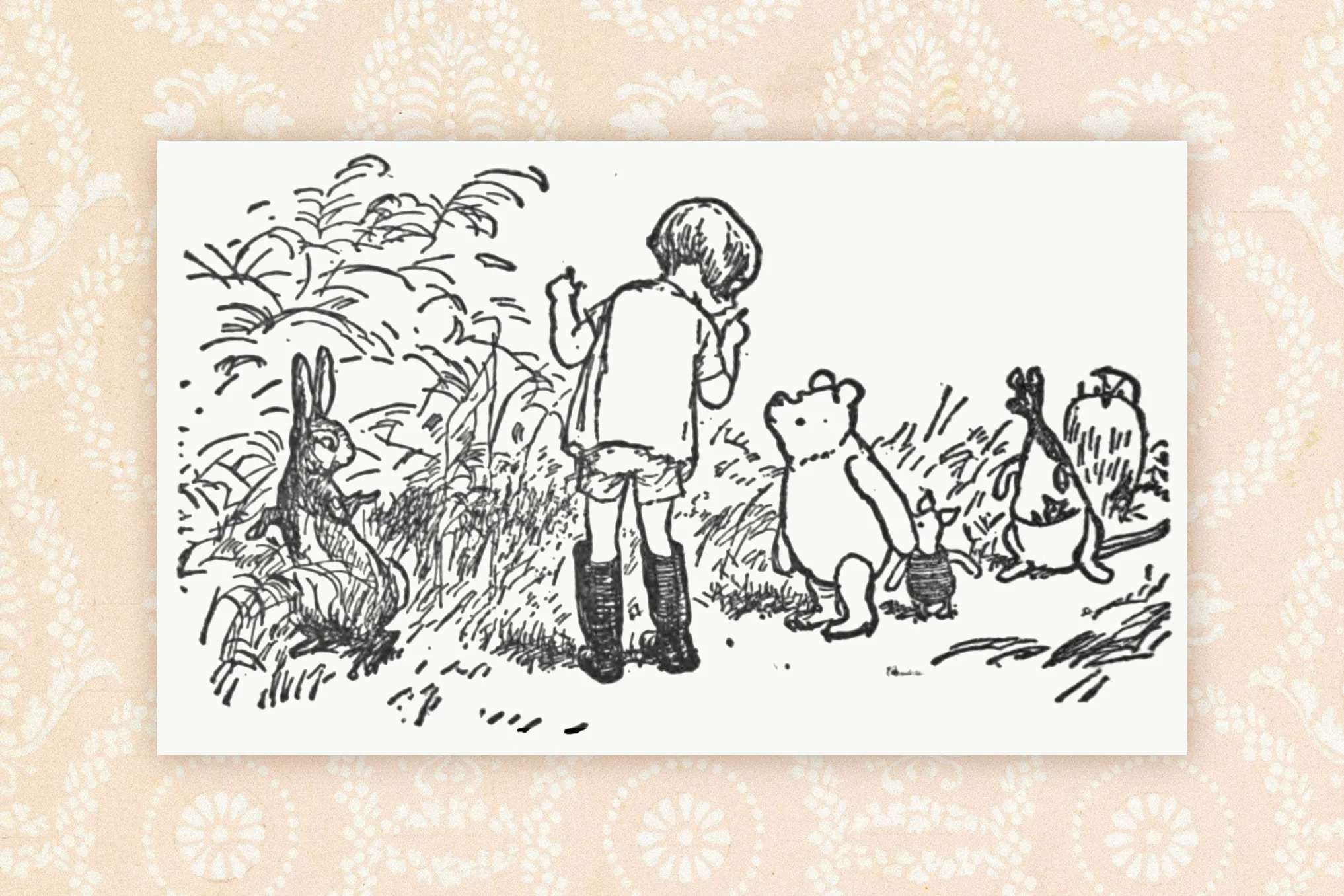
While Pooh-bear has many great adventures, and celebrates his victories with friends, he also is well aware of his own limitations. Consider this exchange between Pooh and Rabbit during one of their many adventure brainstorming discussions:
“‘Pooh,’ said Rabbit kindly, ‘You haven’t any brain.
‘I know.’ said Pooh humbly.”
This is not a lack of self-esteem, but simply a recognition of one’s own limitations. Pooh, rather than being jealous of others gifts, admires them while peacefully accepting his own limitations. Thinking of Kanga’s impressive jumping skills, Pooh ponders, “‘I wish I could jump like that…Some can and some can’t. That’s how it is.’” True humility is knowing the truth about yourself. Pooh is peaceful and happy simply being Winnie-the-Pooh.
4. Be satisfied with the little things in life
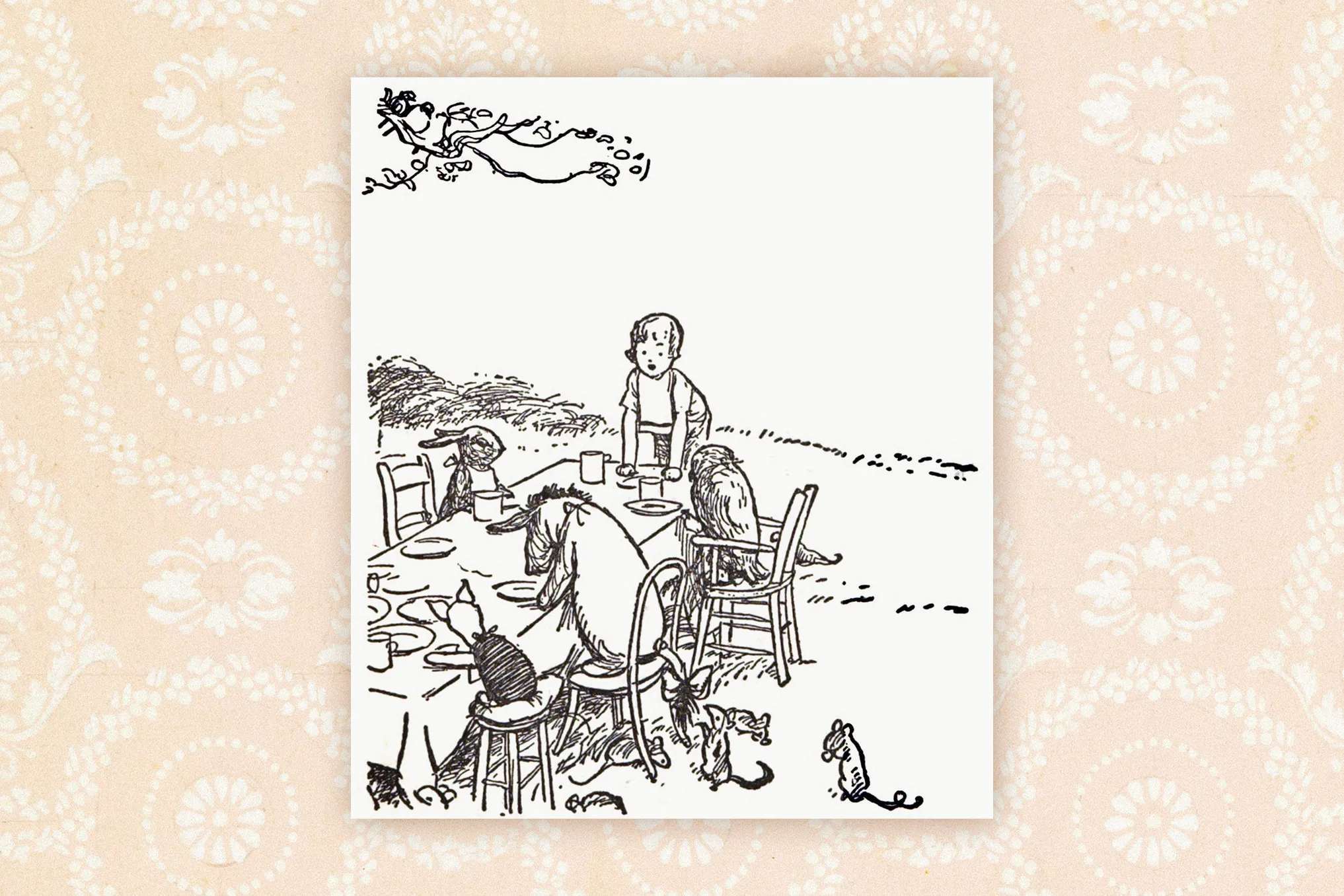
Towards the end of A.A. Milne’s Winnie-the-Pooh, Piglet asks Pooh what is the first thing he says when he wakes up in the morning.
“‘What’s for breakfast?’ said Pooh. ‘What do you say, Piglet?’
‘I say, I wonder what’s going to happen exciting to-day?’ said Piglet.
Pooh nodded thoughtfully. ‘It’s the same thing.’ he said.
While there are grand and wonderful adventures, there is also the simple beautiful adventure of waking up and eating breakfast. Pooh reminds us that it is not so much the achievements or the destination that matters, but savoring the little moments of every day — especially if those moments involve honey.