U.S. pauses visa processing from 75 countries over public charge concerns

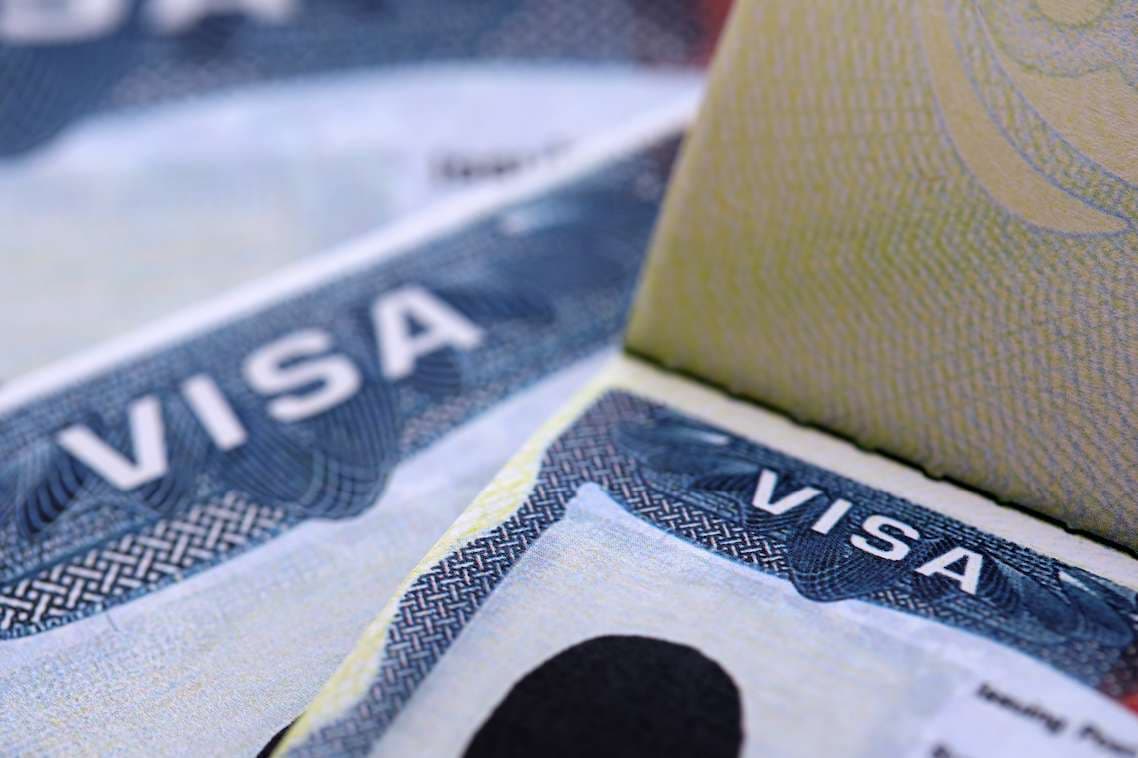
The U.S. State Department has ordered an indefinite pause on immigrant visa processing for applicants from 75 countries, according to a department memo sent to U.S. visa offices worldwide. The directive specifically targets immigrant visas, such as those for family reunification or employment-based permanent residency, not tourist or student visas.
The policy, confirmed by State Department spokesperson Tommy Piggott and first reported by FOX News, is set to take effect Jan. 21 and instructs State Department officers to refuse immigrant visas under existing “public charge” provisions of immigration law.
Under the new policy, applicants must demonstrate that they are unlikely to rely on public benefits, with officers instructed to deny visas based on factors including age, health, financial resources, English proficiency, and the potential need for long-term medical care. According to FOX’s report, older or overweight applicants could be denied, along with those who have used government cash assistance in the past.
According to Piggott, the pause will remain in effect indefinitely while the department reviews its screening and enforcement of the public-charge standard “to prevent the entry of foreign nationals who would take welfare and public benefits."
"The State Department will use its long-standing authority to deem ineligible potential immigrants who would become a public charge on the United States and exploit the generosity of the American people," Piggott said.
The public charge provision has existed in U.S. immigration law for decades, though enforcement has varied between Democratic and Republican administrations. In 2019, President Donald Trump expanded the definition to include a broader range of public benefits, a move later challenged in court and partially blocked. Trump’s policy change was rescinded under President Joe Biden, whose administration narrowed the scope of benefits considered.
The State Department said the current pause follows guidance issued last fall directing officers to apply stricter screening standards under existing law.
The affected countries include Somalia, Russia, Afghanistan, Iran, Nigeria, Brazil, Thailand, and Fiji, among dozens of others across Africa, Asia, the Middle East, Eastern Europe, and the Americas: Albania, Algeria, Antigua and Barbuda, Armenia, Azerbaijan, Bahamas, Bangladesh, Barbados, Belarus, Belize, Bhutan, Bosnia, Burma, Cambodia, Cameroon, Cape Verde, Colombia, Cote d’Ivoire, Cuba, Democratic Republic of the Congo, Dominica, Egypt, Eritrea, Ethiopia, Fiji, Gambia, Georgia, Ghana, Grenada, Guatemala, Guinea, Haiti, Iraq, Jamaica, Jordan, Kazakhstan, Kosovo, Kuwait, Kyrgyzstan, Laos, Lebanon, Liberia, Libya, Macedonia, Moldova, Mongolia, Montenegro, Morocco, Nepal, Nicaragua, Pakistan, Republic of the Congo, Rwanda, Saint Kitts and Nevis, Saint Lucia, Saint Vincent and the Grenadines, Senegal, Sierra Leone, South Sudan, Sudan, Syria, Tanzania, Togo, Tunisia, Uganda, Uruguay, Uzbekistan, and Yemen.