Trump, Iranian officials sign memorandum of understanding over Israeli objections
President Donald Trump signed a preliminary U.S.-Iran memorandum of understanding while attending the Group of Seven summit in France, the White House said June 17, even as Israel signaled it would not abide by key provisions calling for an end to military operations in Lebanon.

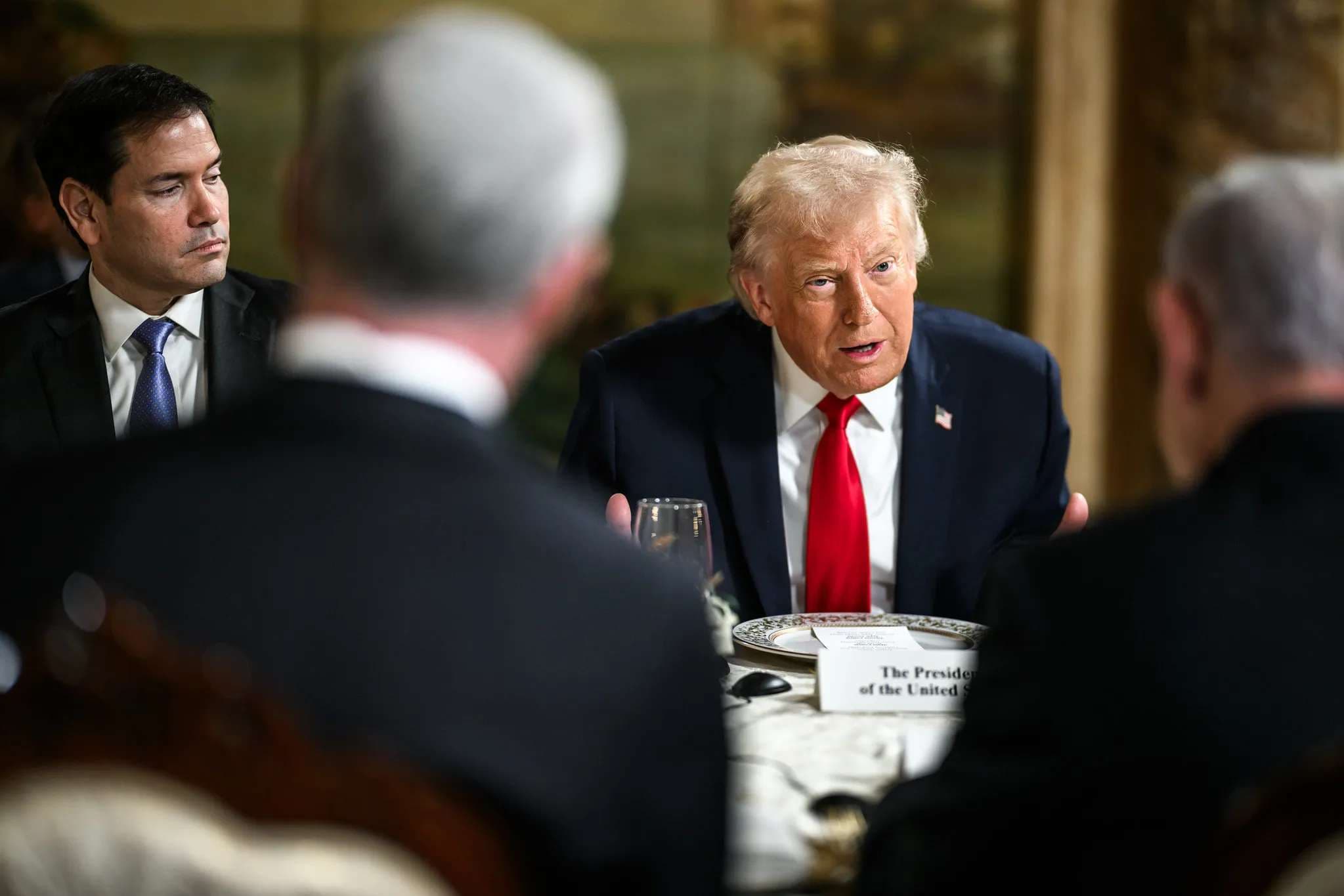
President Donald Trump signed a preliminary U.S.-Iran memorandum of understanding while attending the Group of Seven summit in France, the White House said June 17, even as Israel signaled it would not abide by key provisions calling for an end to military operations in Lebanon.
Trump, who was in the Évian-les-Bains area for the summit, announced the agreement had been executed during meetings with French President Emmanuel Macron. A hard-copy signing took place at a Versailles dinner hosted by Macron, according to U.S. and Iranian officials. The pact had earlier been digitally signed by Trump, Vice President JD Vance, and Iranian officials.
Plans had originally called for Vance to lead a lower-profile formal ceremony in Geneva on June 19. However, there were reported concerns about last-minute disruptions, including reported Israeli lobbying/intelligence pressure to undermine or leak elements of the deal.
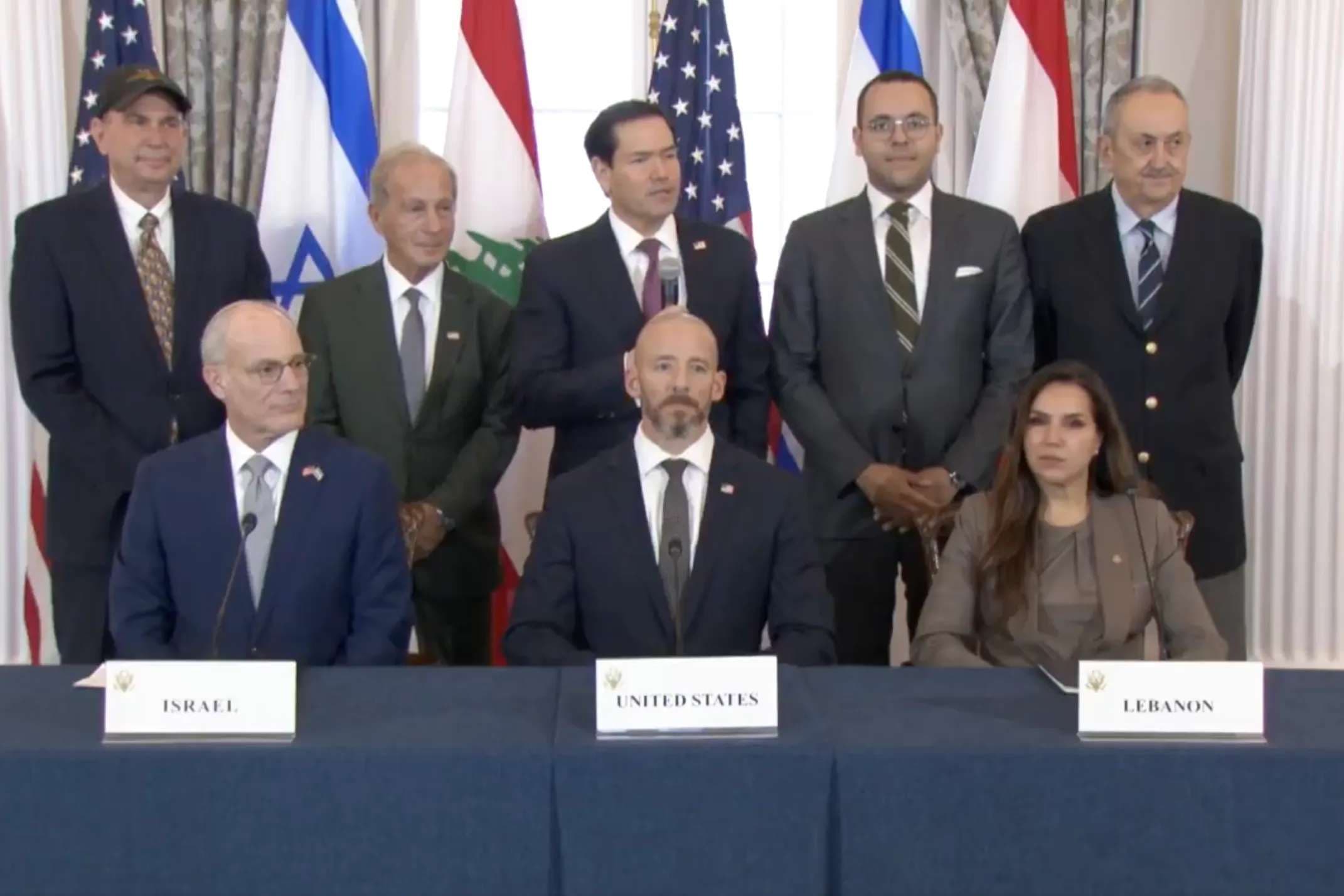
Israeli officials, who were not a party to the negotiations, have voiced strong opposition to the framework, particularly provisions addressing Lebanon. They have continued military operations there and signaled that the deal does not constrain Israel’s security decisions.
“There will be no withdrawal from Lebanon, neither by Friday nor afterward,” Israeli Finance Minister Bezalel Smotrich said. “We will remain in south Lebanon and strengthen our presence there. As long as Hezbollah has not been disarmed, we will stay there for the long term, for as long as necessary, while preserving the army’s full freedom of action.”
Trump again criticizes Netanyahu for Israel's Lebanon campaign
ABC News reported, citing an Israeli source and a U.S. official familiar with the matter, that the White House initially denied Israel's request to review the U.S.-Iran memorandum of understanding (MOU) before its planned ceremonial signing in Geneva on June 19. Although Israeli officials were "thoroughly briefed on the MOU's contents," they were not permitted to review the document itself. Israel is not a party to the memorandum.
The next day, Trump addressed Israel's role in the agreement during an appearance at the Group of Seven summit, renewing his recent criticisms of Netanyahu's handling of Hezbollah and Lebanon.
"We did send a copy to Israel, by the way," Trump said. "They've been a good partner. Again, I think they could do better with respect to Hezbollah. On that, I don't think they are doing well."
Trump took particular issue with high numbers of civilian deaths in Israel’s strikes on Lebanese locations. He described Netanyahu as "a good man" who "gets a little excited sometimes," and said the two leaders had "a little dispute over Lebanon."
"I say, ‘You can do a little softer touch, Bibi,’" Trump said. "You don't have to knock down a building every time somebody walks into it that's from Hezbollah."
During a June 16 bilateral meeting with the Emir of Qatar in France, Trump also said that out of “all countries,” Lebanon has “been treated the worst.”
"You don't want to knock down an apartment house every time you're looking for somebody, because there are a lot of people in those apartment houses," Trump said, "and they're not all Hezbollah, that I can tell you."
Trump suggested Syria could deal with Hezbollah more effectively than Israel and argued that Israel's military campaign in Lebanon was dragging on unnecessarily.
"I'm not happy with the way Israel has handled themselves with Lebanon and with Hezbollah," Trump said. "They should be able to do the job faster."
He framed Netanyahu's restraint on Lebanon as a prerequisite for preserving the broader Iran deal.
"Bibi has to be more responsible with respect to Lebanon," Trump said, adding that continued fighting there "throws a negative light on the big deal. And that's the deal with Iran."
The remarks echoed criticism Trump voiced after Israeli strikes in Beirut that he said jeopardized negotiations with Iran. As Zeale News previously reported, Trump said he was "very angry" after Israel launched strikes in Beirut following the White House's June 13 announcement that U.S. and Iranian officials were expected to sign an agreement the next day.
"Why did Bibi have to do a f***ing attack?" Trump said in a conversation with Axios. "I was so pissed off. I let him know. He has no f***ing judgment. I let him know that."
Trump also reiterated what he described as the unequal nature of the U.S.-Israel relationship, echoing remarks he made earlier this month that he, not Netanyahu, "calls the shots."
"He will say, 'We're the big partner and he's the very small partner,'" Trump said of Netanyahu. "And that's true."
The President further underscored what he described as Israel's reliance on U.S. support, arguing that no previous president had done as much for the country as he had.
"Without us, without the United States, there would be no Israel," Trump said. "Without me, there would be no Israel, because no other president was willing to do what I did."
Vance pushes back on Republican skeptics
Numerous hawkish commentators and political figures have criticized the MOU for its exclusion of Israel and for allegedly being too generous toward Iran. Former Secretary of State Mike Pompeo declared the framework "not remotely America First." Senate Republicans returning to Washington on June 16 demanded briefings before any agreement was finalized.
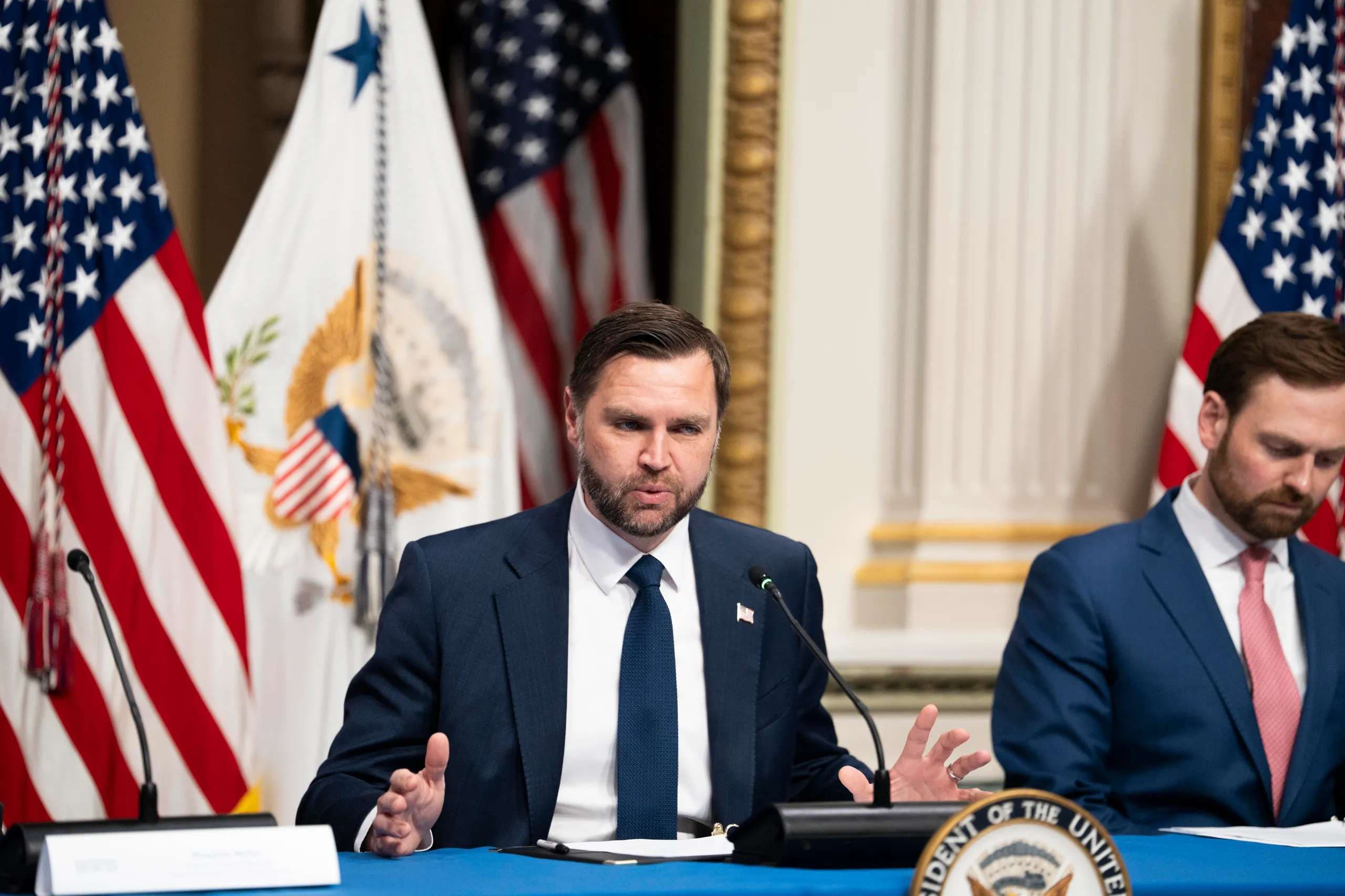
In an interview with ABC, Vance said he would "caution” naysayers against the MOU “not to believe the hardliner propaganda in Iran, but to believe what's actually in the agreement."
The White House's communications director, Steven Cheung, was more direct in response to Pompeo, telling him to "shut his stupid mouth."
Vance said the deal was fundamentally different from President Barack Obama's 2015 nuclear accord. According to the Vice President, Gulf states "love" Trump's deal and "hate" Obama's, and Iran "doesn't get a dime unless they behave and change their behavior," the Wall Street Journal reported.
He said Iran faced a "two-path" choice: rebuild its nuclear program and face isolation, or commit long-term and gain economic integration.
The 14-paragraph document — formally titled the Islamabad Memorandum of Understanding (MOU) (Pakistan mediated the talks) — commits the U.S. and Iran to an immediate and permanent cessation of hostilities on all fronts, including Lebanon, and establishes a 60-day window to negotiate a final agreement, extendable by mutual consent.
The White House intends to release full details of the MOU in the coming days, and has disputed the accuracy of widespread reports from outlets claiming to have been briefed by U.S. officials on the deal's contents