Prominent art historian: Is the Catholic Church attracting Gen Z through religious art?
A British art historian noted rising interest in Catholicism among Gen Z and asked if it is because of the Catholic Church’s use of religious art.
A British art historian and former art dealer took note in a Jan. 5 column of the rising interest in Catholicism among Gen Z and posed a provocative question: Is the interest because of the Catholic Church’s use of religious art?
“Among 18-24 year olds (Gen Z), monthly church attendance has quadrupled in the past decade,” Bendor Grosvenor wrote in The Art Newspaper. “What most caught my attention was the disparity between where this spiritual revival is taking place; people are turning more to Catholicism than Protestantism. I think much of it has to do with art.”
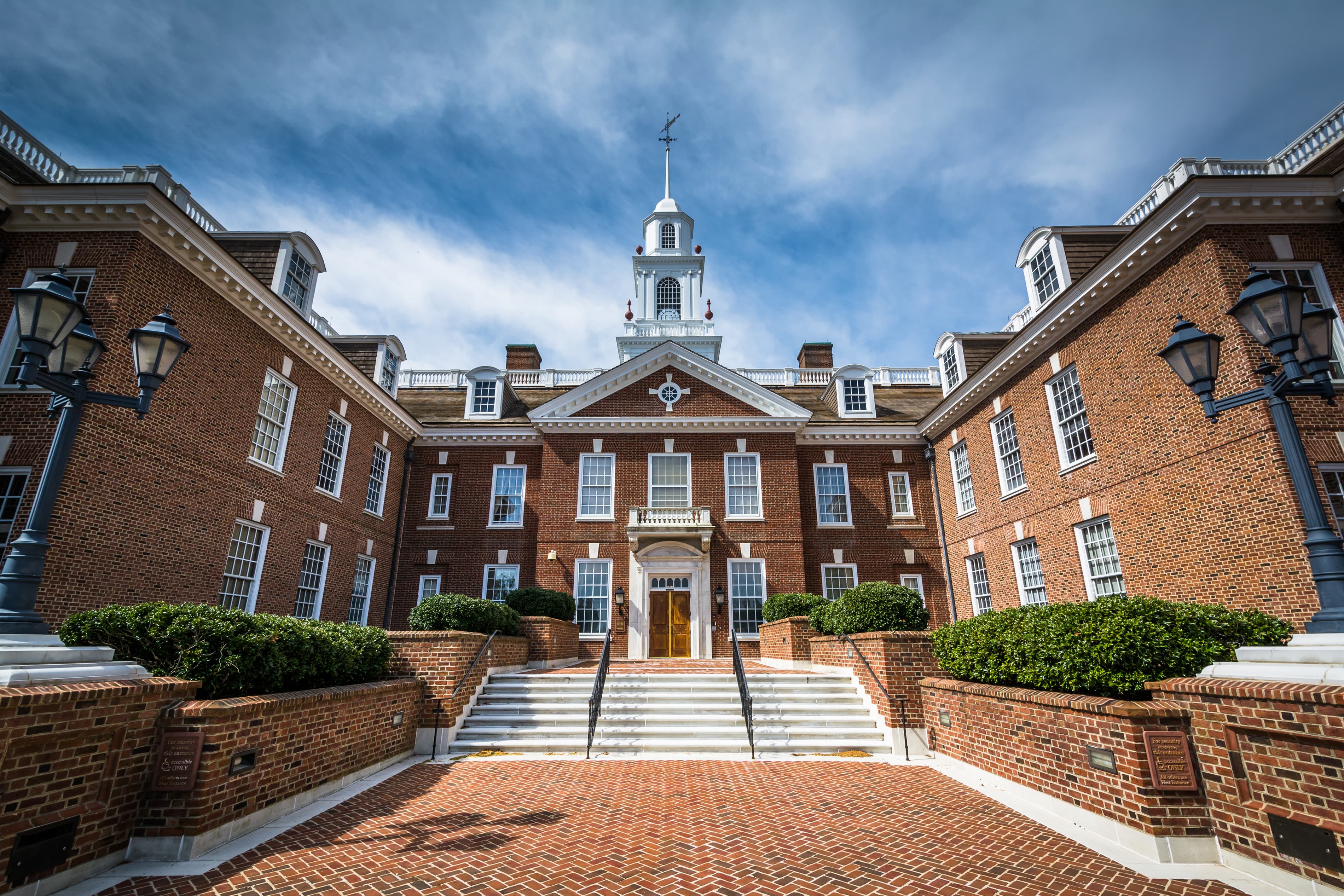
Grosvenor described how, in historically Protestant Scotland, where he lives, church attendance is so low that churches are often put on the market for prices lower than that of a new car. The author even considered buying one himself before he realized something about them.
“A quick look at other Church of Scotland churches on the market reveals one of the reasons why they’re struggling to attract people; they are bare, empty places,” he wrote.
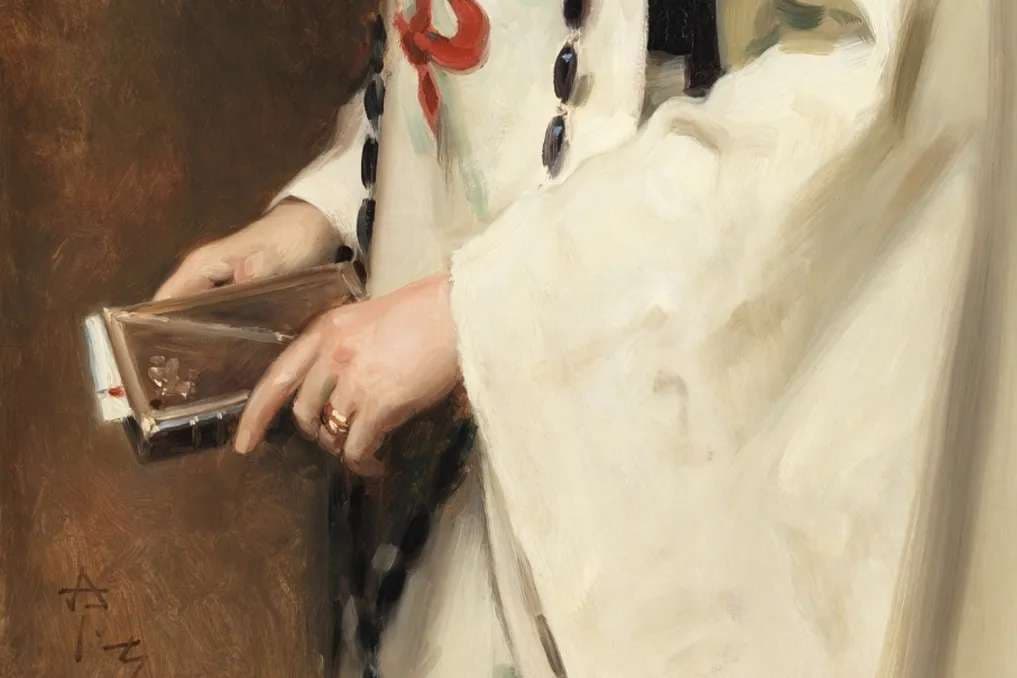
The art historian described how Protestants removed the stained glass and other religious art from formerly Catholic churches in the 16th century, leaving churches without art.
“This is fine if you’re receptive to spiritual enlightenment through the word and ear, as many were until the later 20th century, when church attendance began to plummet,” he wrote. “But if you’re seeking a break from the hectic cacophony of the modern world, where words are weaponised to cause division and outrage, it’s another matter.”
Grosvenor indicated that the Church of England seems to be attempting to use art to draw people in. He described how, at a recent exhibition in Canterbury Cathedral, “graffiti stickers [were] applied to the walls that witnessed the martyrdom of St Thomas Becket.” Grosvenor expressed skepticism, sardonically commenting that “if Canterbury truly expected it to bring a deluge of converts, they’d surely have waived the £18 entrance fee.”
Art has long been used for the purposes of evangelization, Grosvenor observed, telling the story of how Saint Augustine of Canterbury brought illustrated Bibles with him to convert the English people.
Grosvenor contrasted Canterbury Cathedral’s recent use of art with that of Saint Peter’s Basilica in Rome.
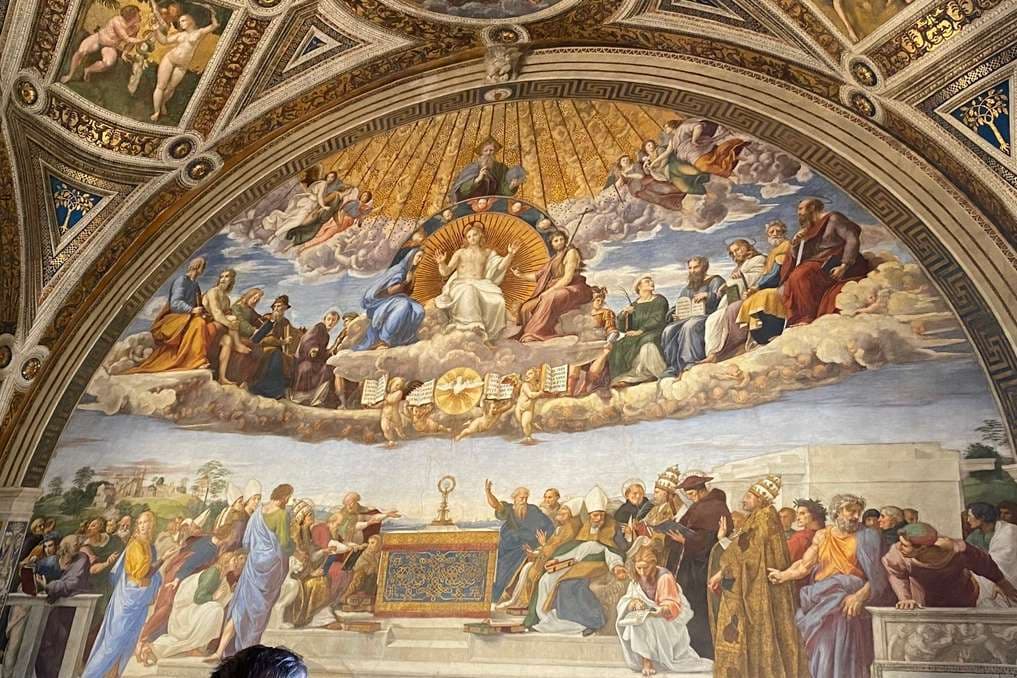
“Around me, the joyous mass of patiently waiting tourists, pilgrims, nuns and priests showed the Church of England what they were missing,” he wrote. “Believers and non-believers felt united in awe and anticipation. For the former there was St. Peter’s tomb, and the heady presence of God and the Saints; for the latter, there was Bernini, Raphael and Michelangelo.”
“There are few better routes to sublimity,” Grosvenor wrote, “than art combined with faith.”
Grosvenor closed by reflecting on King Charles III’s meeting with the Pope in the Sistine Chapel.
“I suspect it was no accident that this meeting took place in probably the most visually intensive religious space in Western Europe,” he wrote. “Perhaps the King and Gen Z are in spiritual alignment.”