Miami Cuban Americans celebrate Castro indictment: ‘It’s about time’
Emotional scenes unfolded across Miami on May 21 after U.S. officials announced the indictment of former Cuban leader Raúl Castro over the 1996 shootdown of civilian aircraft operated by the humanitarian group Brothers to the Rescue.

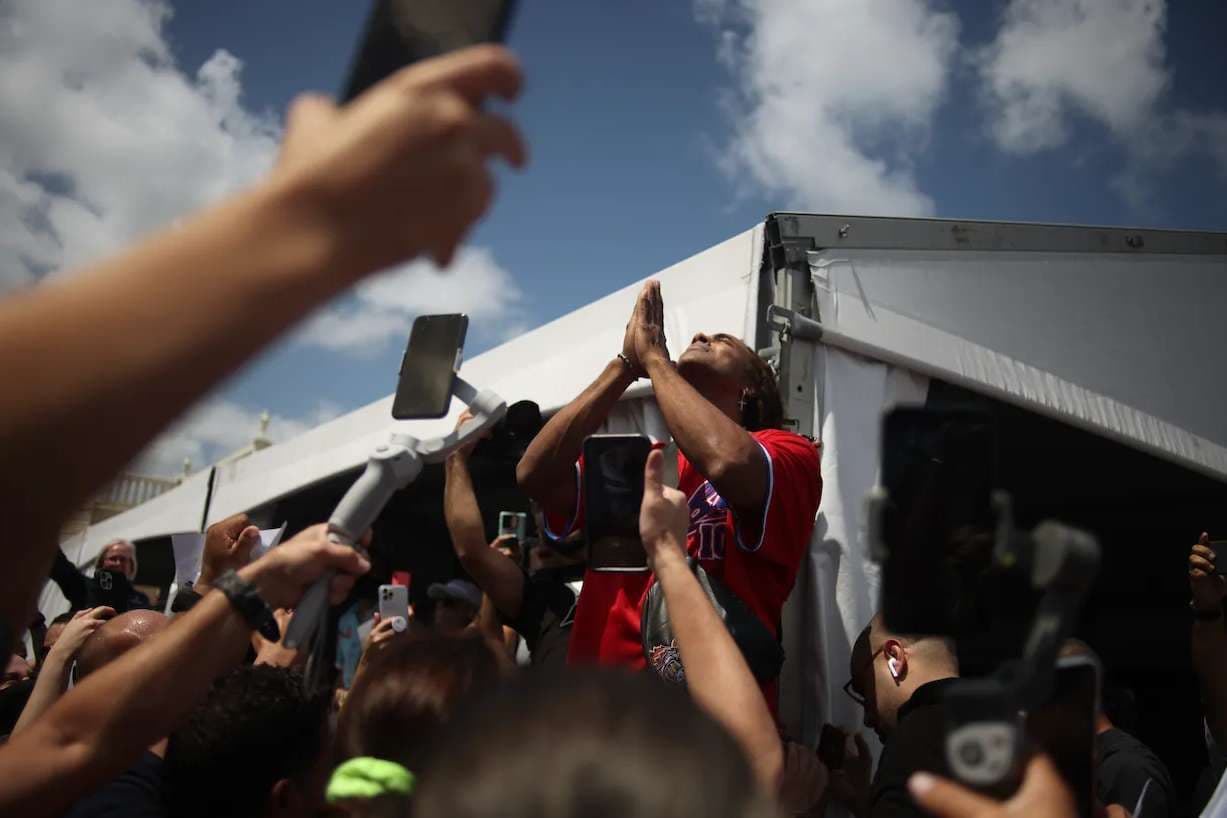
Emotional scenes unfolded across Miami on May 21 after U.S. officials announced the indictment of former Cuban leader Raúl Castro over the 1996 shootdown of civilian aircraft operated by the humanitarian group Brothers to the Rescue.
>> Federal prosecutors indict Raúl Castro on 1996 murder charges <<
Outside Miami’s historic Freedom Tower — long regarded as a symbol of refuge and hope for Cuban exiles — crowds waved Cuban and American flags, prayed, and chanted slogans celebrating an act of justice they had waited three decades for.
At the Versailles restaurant in Little Havana, a neighborhood often described as the heart of Miami’s Cuban exile community, residents called the announcement both historic and deeply personal.
One woman, who was 2 when she left Cuba and has never been able to return to her homeland, said she felt “an array of emotions so intense that I can’t describe it.” She thanked the Trump administration “for standing up for liberty, for Cubans, and anti-communism.”
Another Miami resident called the indictment long overdue, saying it was “about time” someone was held accountable for the deaths of the Brothers to the Rescue pilots.
Many older Cuban ex-patriots connected the indictment to decades of frustration and grief. Oscar Fernández, who left Cuba 67 years ago at age 15, told Fox News in tears that Cubans in exile had been “ignored by everybody” for generations, hoping all the while that they could one day help rebuild Cuba “with work, with money, with investment, and with LOVE.”
According to an unofficial translation, El País reported that Maribel Ramirez, a 31-year-old woman born in Havana who has lived in Miami for 15 years, said Trump had renewed many people’s hopes. She was carrying a flag that said “Make Cuba Great Again.”Acting Attorney General Todd Blanche made a point of flying to Miami May 20 to announce the charges. He explained why in a press conference.
“The community here understands the history of the Cuban regime better than anyone in America,” he said, adding that the U.S. “does not, and will not, forget its citizens.”
President Donald Trump echoed those remarks in comments to the press later that day.
“The Cuban population of Miami, and certainly beyond Miami ... appreciate what the Attorney General just did today,” the President said. “We have Cuba on our mind.”
Trump described Cuba as a nation in severe crisis and suggested the U.S. is prepared to assist its people.
“It’s a failed country, everybody knows it. They don’t have electricity, they don’t have money, they don’t have really anything,” he said. “We’re there to help.”
Secretary of State Marco Rubio, born in Miami to Cuban immigrant parents, framed the administration’s approach to Cuba as both a humanitarian and national security issue.
“It’s 90 miles from our shores, so we’ll be impacted by the migratory crisis, by any violence and instability,” Rubio said. “It directly implicates U.S. national interests. The future of Cuba belongs to the people of Cuba, but the national security threat is 100% something we’re going to focus on — because that’s about America.”
Cuban officials, including President Miguel Díaz-Canel, condemned the charges as politically motivated and insisted Cuba acted legitimately in defense of its airspace during the deadly 1996 attack.