Chancellor of Oklahoma archdiocese says now is the time to fix immigration
The chancellor of the Archdiocese of Oklahoma City says the U.S. is in its strongest position in decades to overhaul its immigration system and should act now to pursue comprehensive reform.

The chancellor of the Archdiocese of Oklahoma City says the U.S. is in its strongest position in decades to overhaul its immigration system and should act now to pursue comprehensive reform.
In a Dec. 11 essay published by First Things, Michael Scaperlanda argued that stronger border enforcement has created a rare opportunity for lawmakers to revisit immigration policy for the first time since the 1980s.
“With the border secure, the time is ripe for comprehensive immigration reform for the first time in forty years,” Scaperlanda wrote. “The U.S. Conference of Catholic Bishops offers our legislators an outline of a balanced path forward, protecting our nation and its citizens while respecting the dignity of each human person.”
Scaperlanda said today’s immigration debate is often framed as an all-or-nothing choice between supporting immigrants or enforcing immigration law. He described that framing as overly simplistic, arguing that the bishops’ Nov. 12 Special Pastoral Message affirms both a nation’s right to control its borders and the need to avoid “indiscriminate mass deportation.”
Grounding the bishops’ position in Catholic social teaching — particularly subsidiarity and solidarity — Scaperlanda wrote that while countries have a right to enforce their borders, they also have a duty to accept some immigrants when they can be integrated without undue hardship on citizens.
“The United States contributes to the common good of the world by creating an environment where its citizens can flourish,” he wrote. “Our excess, in justice not charity, should be shared with others in need through foreign aid or by providing immigration opportunities. What is needed for the nation to flourish and what is surplus is a matter of prudential judgment on which reasonable people can disagree.”
Reviewing past reform efforts, Scaperlanda pointed to the 1986 Immigration Reform and Control Act, which combined employer sanctions, legal immigration reforms, and a path to citizenship for millions of illegal immigrants. He said the law was never fully enforced, leading to decades of illegal immigration and political gridlock.
“The attempt to close the back door was a spectacular failure, and we are dealing with the fallout four decades later,” he wrote.
Scaperlanda criticized former President Joe Biden for what he described as abusing parole authority to admit millions of migrants. Citing Pew Research, he said roughly 3.5 million unauthorized entries occurred between 2021 and 2023, with record levels continuing into early 2024.
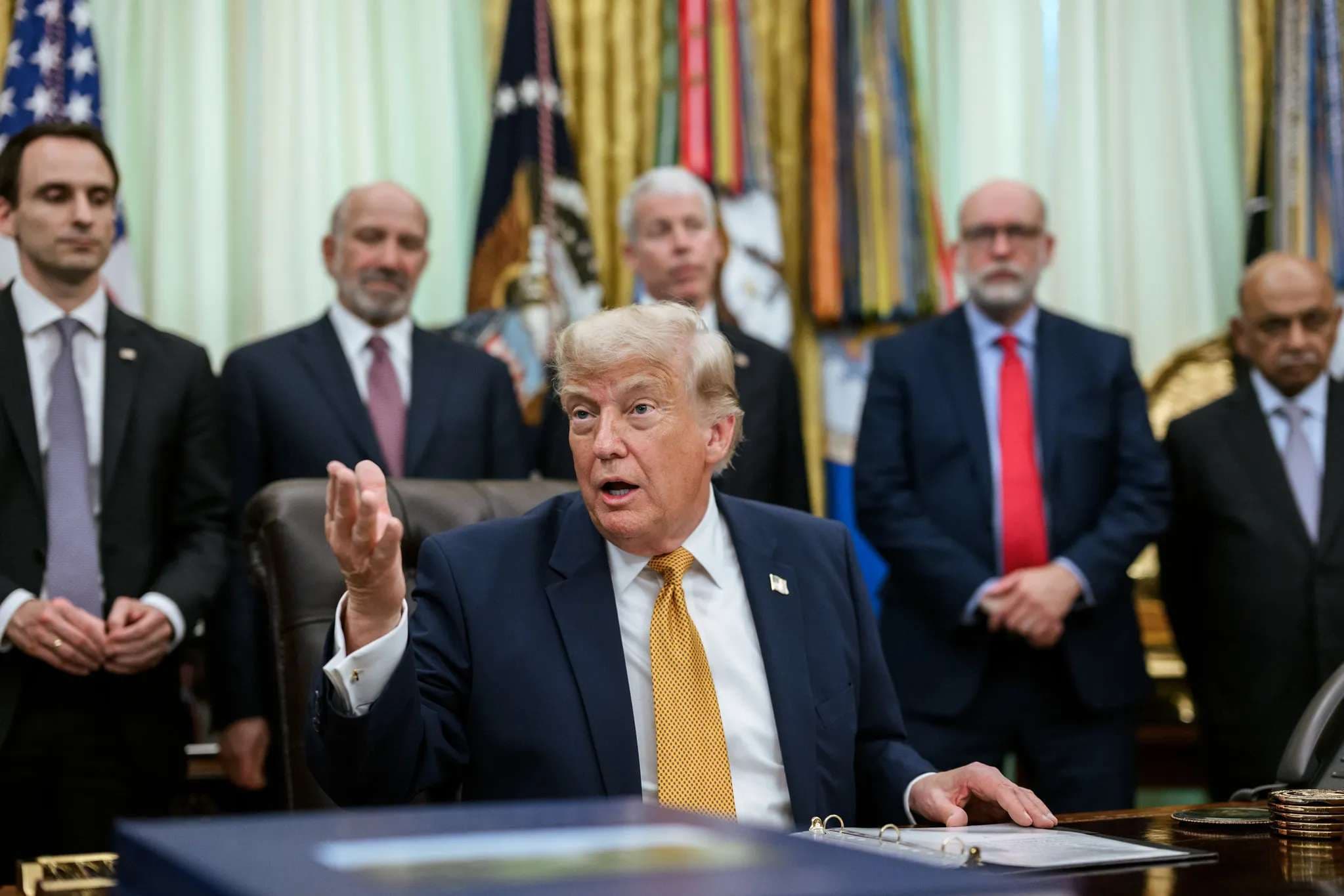
By 2025, he wrote, the pendulum had swung sharply in the opposite direction, with enforcement efforts under the Trump administration now “instilling fear throughout the undocumented population.”
“This is an unfortunate but natural backlash to the failure to keep the promise made by both parties four decades ago to shut the back door of illegal immigration,” he said.
Still, Scaperlanda argued that the current moment presents an opportunity. With the border now “effectively secure,” he said lawmakers should pursue comprehensive reform while the Trump administration “continue[s] to deport criminal aliens.”
“For the common good, the Trump administration should continue to deport criminal aliens,” he argued. “It should also work with Congress to develop legislation that adopts a comprehensive, three-pronged reform plan to fix our broken immigration system.”
He said the plan should include strict enforcement to prevent illegal immigration, reforms to guest worker programs, and legislation that provides a path to legalization for the millions of illegal immigrants already in the U.S.
Any legalization effort, he warned, must be paired with sustained border enforcement.
“We must keep the back door of illegal immigration closed,” he remarked. “The common good of the United States depends on it. There will be no do-overs.”
He concluded by urging lawmakers not to miss what he described as a rare opening for reform.
“We are in the best position in decades to achieve comprehensive immigration reform,” he wrote. “We must seize the opportunity, creating a more secure and prosperous nation for future generations.”
>> CatholicVote releases new report to help Catholics navigate immigration debate <<